
4 May 2026·TURKPOL Editorial
The most consequential fact about Poland and Türkiye today is not historical. It is that they are treaty allies, obliged to defend one another.
Forty-seven years apart
Türkiye joined NATO in 1952, three years after the alliance was founded, at the height of the early Cold War. Poland joined in 1999, a decade after leaving the Warsaw Pact — the organisation NATO existed to deter.
That gap of forty-seven years is the whole of the Cold War, and it means the two countries arrived with very different institutional memories. Türkiye has been inside Western security structures for over seventy years. Poland spent most of that period on the other side of the line, involuntarily.
Opposite flanks, same alliance
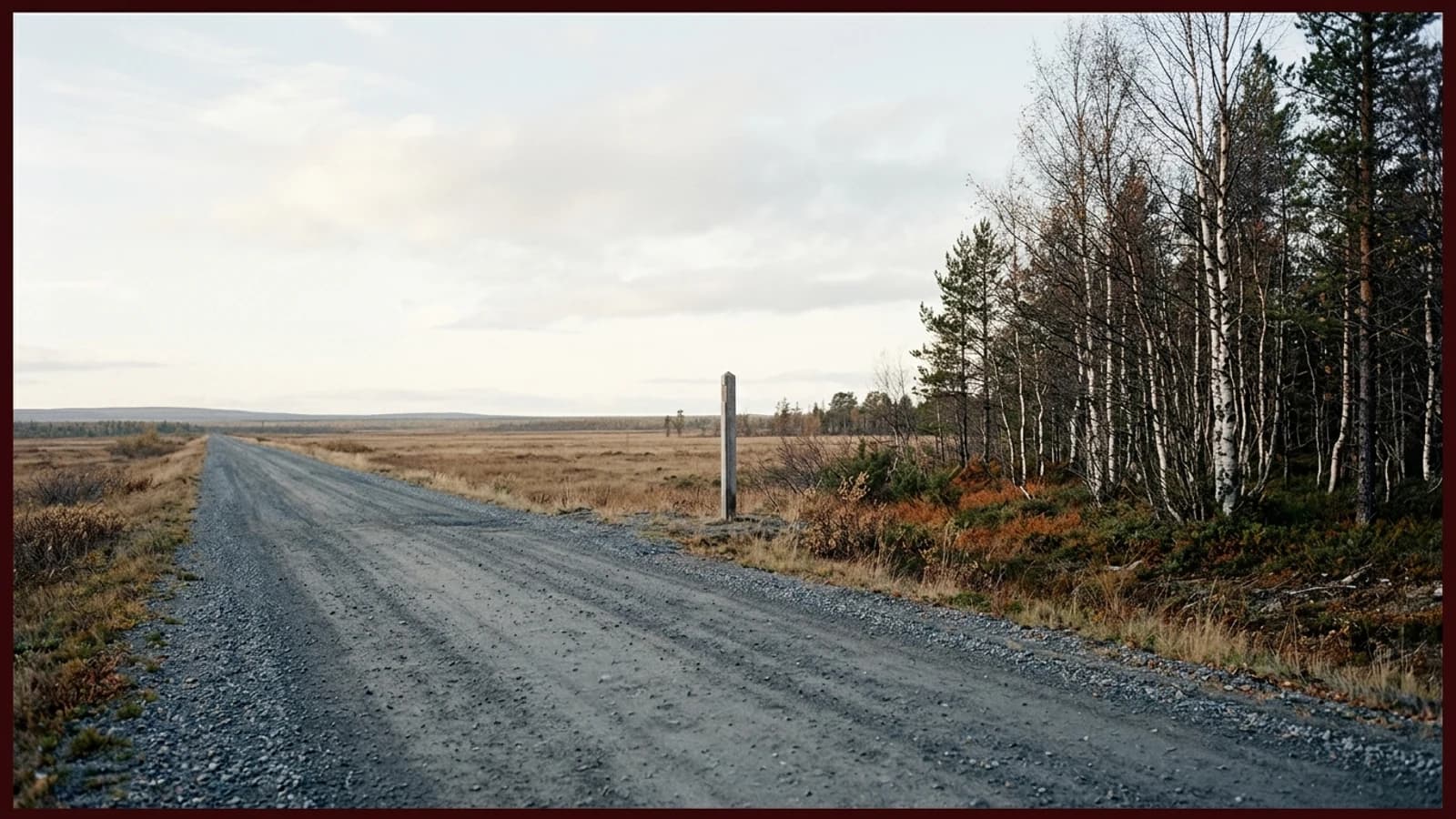
Poland anchors NATO's eastern flank: a long frontier with Belarus and the Russian exclave of Kaliningrad, and the Suwałki corridor connecting the Baltic states to the rest of the alliance.
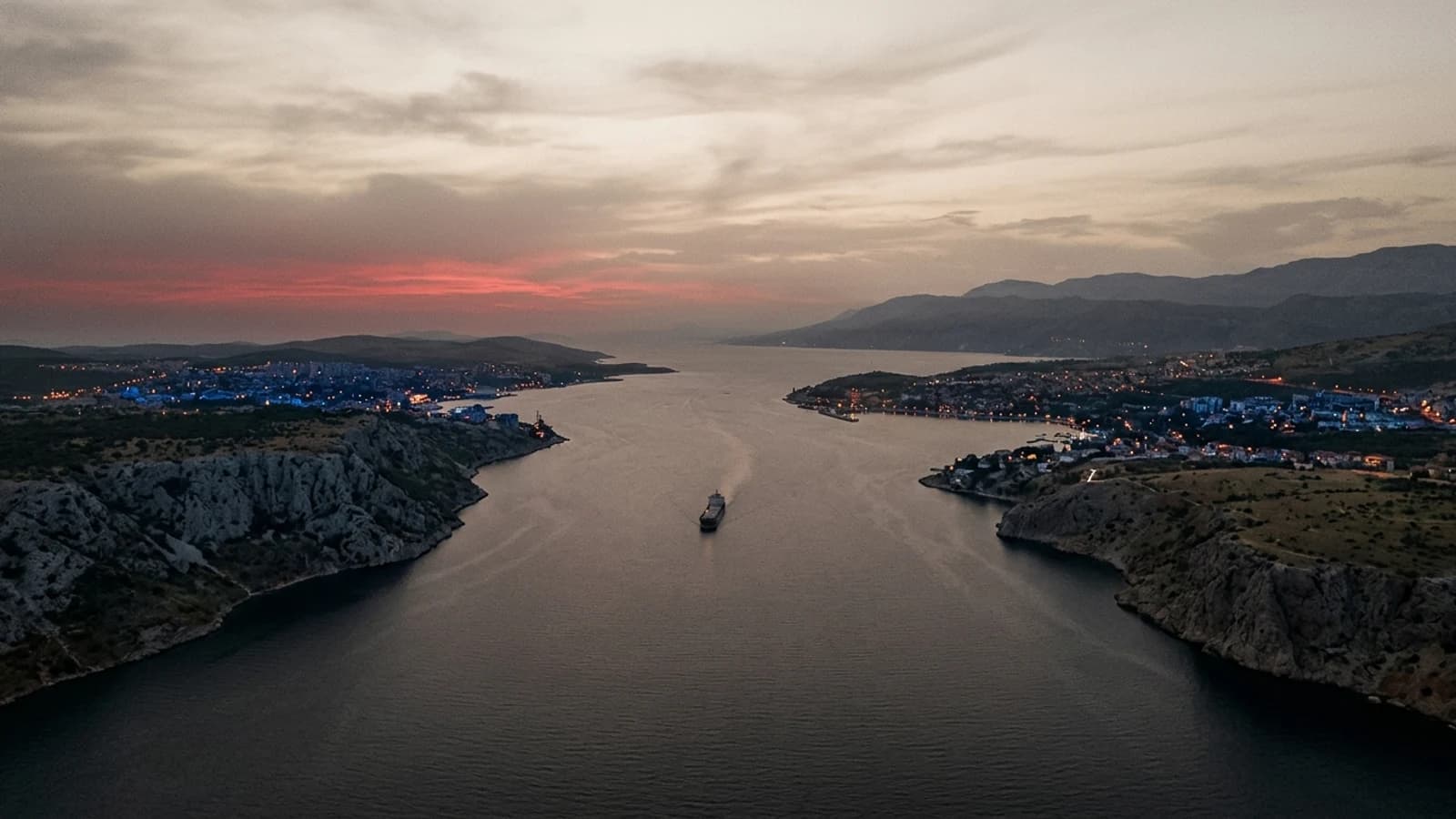
Türkiye anchors the southern flank: it controls the Turkish Straits under the Montreux Convention, borders Syria, Iraq, Iran, Georgia and Armenia, and fields one of the alliance's largest armies.
Neither is a peripheral member. Both are frontline states in different directions, which produces a specific kind of understanding: each knows what it is to be the country the alliance would have to defend first.
Allies who share a threat perception argue about tactics. Allies who face different directions argue about priorities. Both arguments are normal.
Where they diverge
An association devoted to friendship does not serve anyone by pretending disagreements do not exist. Poland and Türkiye do not always align: on relations with Russia, on European Union enlargement, on the Middle East, their national positions differ, sometimes sharply.
What holds is the treaty commitment, the working military relationship, and a defence-industrial interest that has grown rather than shrunk — Turkish defence products have found European customers, Poland among them.
Why this belongs in a culture association's publication
Because security policy sets the terms on which everything else happens. Visa regimes, direct flights, investment confidence, the willingness of a Turkish engineer to move a family to Gdańsk — all of it rests on the two states considering each other partners.
The cultural relationship documented in the rest of this series is not a substitute for that. It is what makes it durable: alliances built only on threat assessment change when the threat does.
Related: trade and investment, and six centuries of diplomacy.